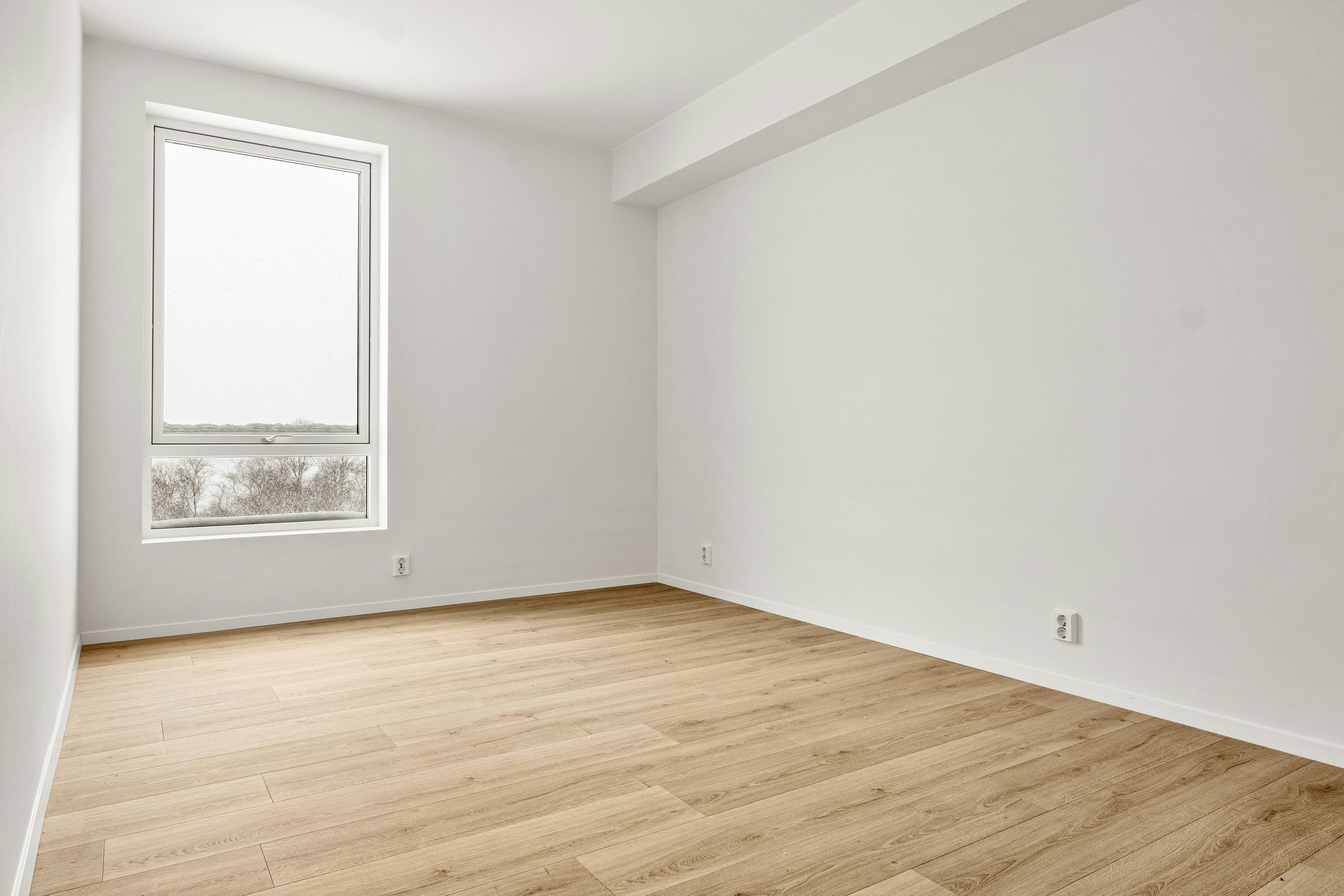
Vacant homes make the photography easier in one way and the marketing harder in another. There is nothing to declutter, but a buyer can struggle to judge scale, purpose, and flow. The answer is not to make the home look occupied at all costs. It is to make the actual home easier to understand.
Market the space, not a fantasy
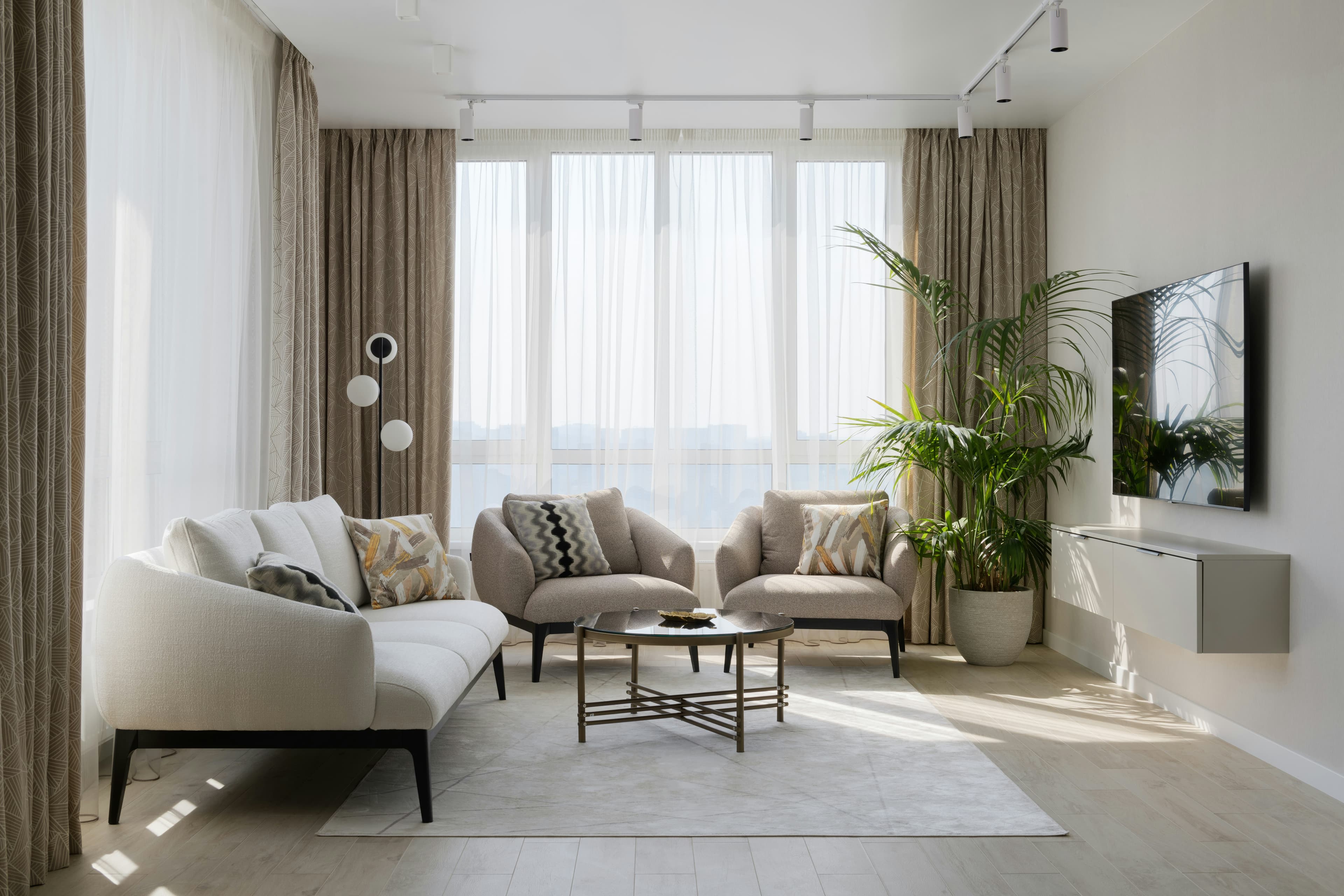
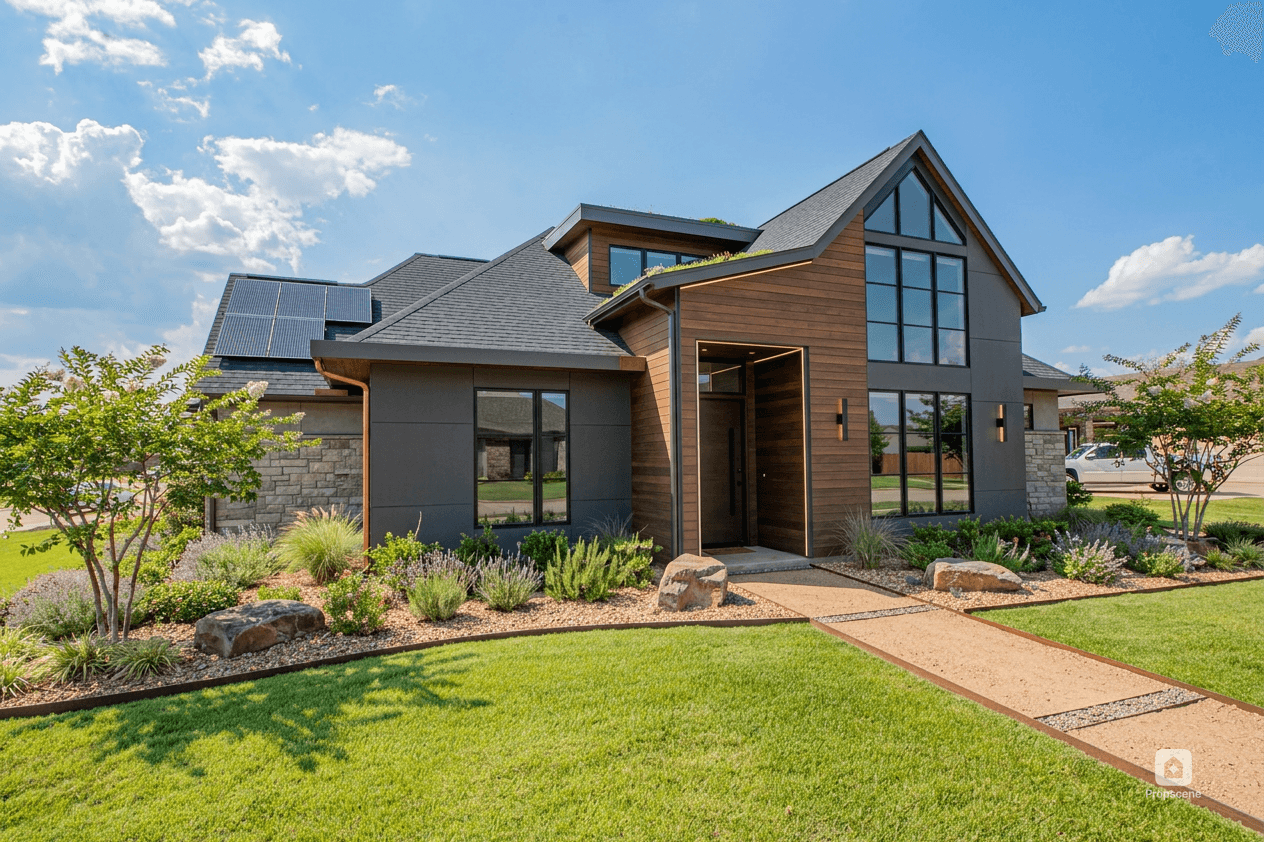
Start by documenting the real property well: wide, well-lit photos; the exterior; key room connections; storage; and any feature a buyer needs to evaluate. Then use staging selectively to demonstrate scale in the rooms where an empty frame makes the layout unclear.
The best digital presentation combines the actual condition with a useful visualization. A buyer should be able to move from the hero image to the original photo, floor plan, video, and showing without feeling surprised.


1. Prepare the photo set before staging
- Clean windows, floors, fixtures, and visible surfaces.
- Open blinds and photograph when natural light supports the room.
- Use corner or doorway angles that show the full footprint.
- Photograph the same room wide enough that furniture scale will be believable.
- Keep an organised archive of the unedited originals.
Where a room has leftover furniture, removal, or clutter, solve that transparently before you decide whether a new furniture concept is useful. Photo cleanup can be part of that preparation, but it should never conceal a property condition issue.
2. Stage the anchor rooms
For most vacant listings, three to five rooms are enough: the main living space, primary bedroom, dining or kitchen area, a flex room, and the most marketable outdoor zone. Use the staging to answer a question:
- How does a sofa fit without shrinking the living room?
- Can the secondary room work as an office and guest room?
- Is there room for dining beyond a kitchen counter?
- How might a patio or balcony be used?
Choose a consistent, property-appropriate style so the set feels intentional. The staging-styles guide can help you match the approach to the home.
3. Make one short reel that explains the home
A vacant-home reel should emphasize light, layout, and possibility. Open on the strongest feature, use two or three rooms to prove the flow, and end with the next showing or information step. A before-and-after reveal can work well when the altered frame is clearly labelled and the original is available.
Do not use a reel to suggest that furniture, renovations, or landscape changes are part of the sale when they are not. For the detailed guardrails, see virtual staging disclosure rules.
4. Publish a campaign, not a single image
| Asset | What it should accomplish |
|---|---|
| Listing gallery | Show the actual property clearly, with disclosures and originals as required. |
| Hero reel | Make the layout and strongest feature easy to grasp on a phone. |
| Carousel | Offer a closer look at staged/original comparisons and dimensions where appropriate. |
| Open-house post | Give buyers a concrete time to experience the real space. |
| Reconnect with buyers whose needs match the home's verified features. |
5. Make the showing match the marketing
Tell showing agents which rooms were virtually staged and have the original photos accessible. Consider simple room measurements, a floor plan, or a furniture-layout printout for the spaces that need the most imagination. The goal is a more informed showing, not an awkward reveal.
For the full content expansion plan, use one listing, twelve marketing assets. A workflow such as Propscene listing reels can help turn approved listing photos into the social video layer without introducing a separate production cycle.