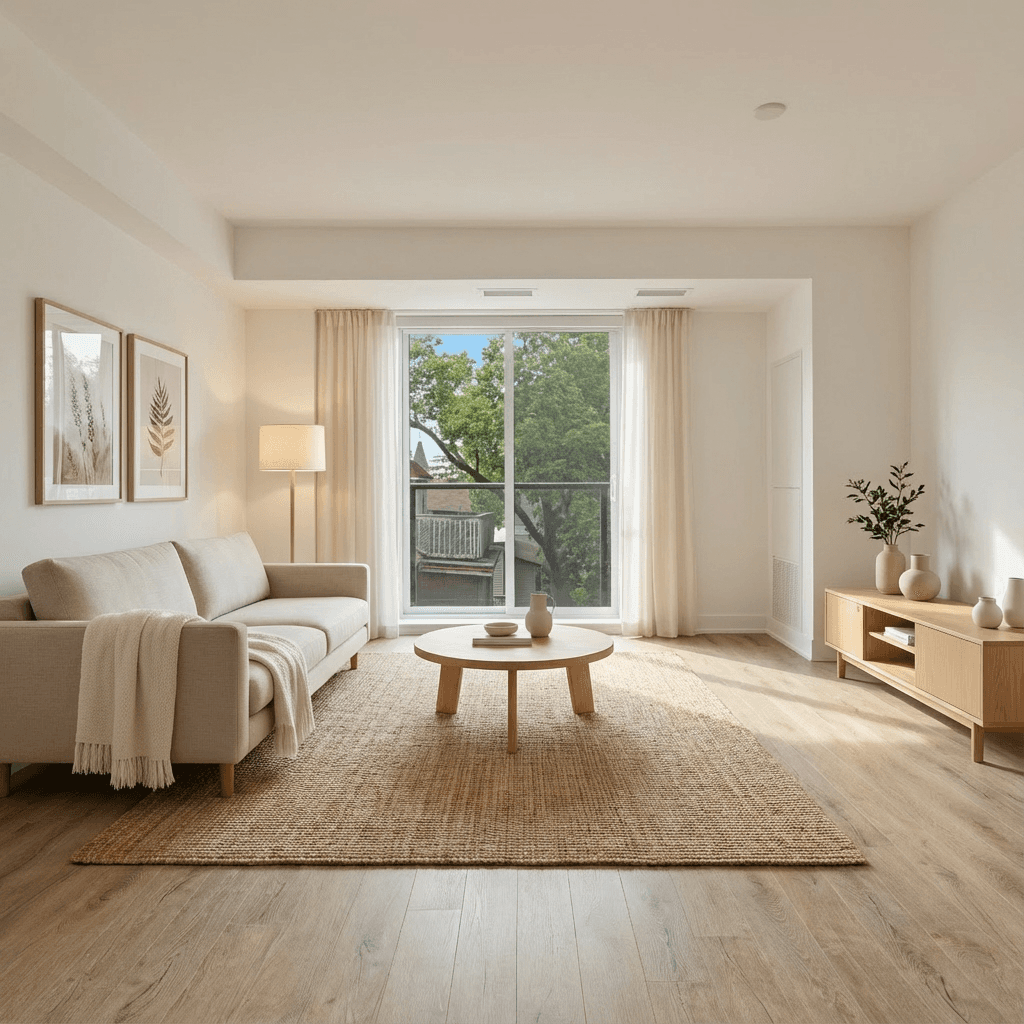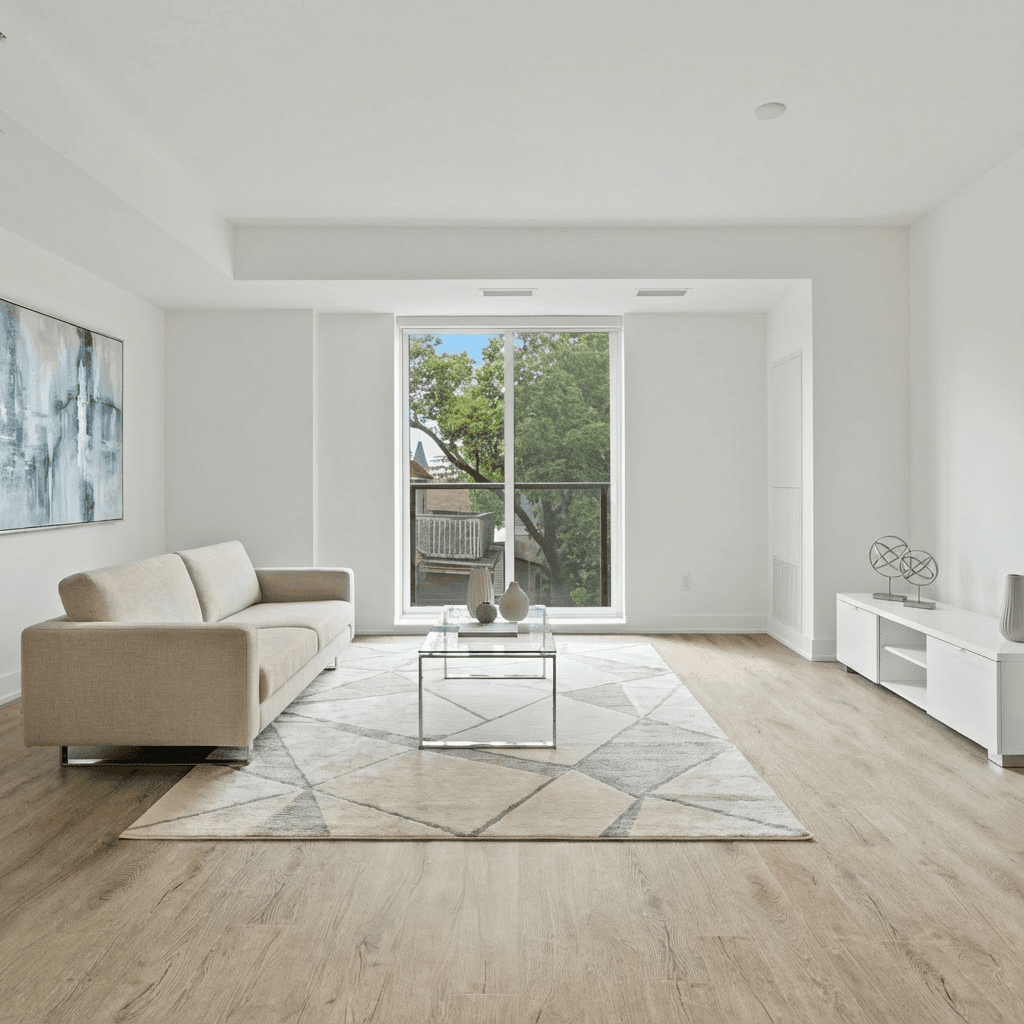
Virtual and physical staging solve different problems. Virtual staging helps a buyer understand a room online; physical staging changes the experience when a buyer walks through the door. The right choice depends on the listing, the marketing plan, and what the buyer needs to see—not a universal price threshold.
The short answer
Use virtual staging when you need to clarify furniture scale, room purpose, or layout in listing photos and social content. Use physical staging when the in-person experience is central to the sale, particularly for a key room, open-house campaign, or property where the physical atmosphere is part of the value. Many listings benefit from a hybrid: honest virtual concepts online and selective physical staging for showings.
Compare the job each method does
| Question | Virtual staging | Physical staging |
|---|---|---|
| What does it change? | Marketing visuals | The property experience during a showing |
| Where is it strongest? | Listing galleries, portals, email, and social content | Open houses, tours, and high-touch presentations |
| What does it require? | High-quality originals, careful review, and clear disclosure | Budget, timing, access, installation, and removal logistics |
| What can it demonstrate? | Furniture scale, intended use, and a design direction | Scale, flow, texture, and the lived-in feel of the space |
When virtual staging is the stronger choice
- The home is vacant and key rooms are difficult to read without furniture.
- You need to prepare listing visuals or an open-house campaign quickly.
- The property is remote, one of several units, or difficult to access repeatedly.
- You want to test a few property-appropriate layouts before choosing a visual direction.
- You need a clean visual sequence for a reel, carousel, email, or listing page.
Virtual staging works best when it answers a real buyer question: where the sofa would fit, whether a room can function as an office, or how a dining area relates to a kitchen. It should preserve the actual architecture, perspective, condition, and view.
When physical staging earns its place
- The showing experience is a primary part of the sales strategy.
- A living room, primary suite, or outdoor area needs real scale to be felt in person.
- The listing has an event-driven launch, such as a broker preview or repeated open houses.
- The seller and agent want a full sensory presentation, not only a better photo set.
Physical staging is not automatically better. It creates more impact in person, but it also creates more coordination. Evaluate it room by room: a strategically staged living area can do more for a showing than a fully furnished home with no visual hierarchy.
The hybrid approach
A thoughtful hybrid approach often looks like this:
- Photograph the property cleanly and retain all original images.
- Virtually stage the anchor rooms that need help online.
- Use the strongest approved images in a short listing reel and email campaign.
- Physically stage one or two rooms if the showing strategy calls for it.
- Make sure marketing and in-person expectations match.
Do not treat disclosure as an afterthought
Virtual staging is a visualization, not a change to the property. Preserve the original images, label altered images as required, and do not hide defects or modify permanent features. Rules vary by MLS, brokerage, state, and channel. Read our virtual staging disclosure guide before publishing.
Decision checklist
- Does the buyer need help understanding the room online, in person, or both?
- Which rooms carry the listing story?
- What is the launch deadline and what access is realistic?
- Will the images and the showing tell the same truthful story?
- Have the original assets, photo rights, and disclosures been reviewed?
For an online-first campaign, start with AI virtual staging and then turn the approved images into a listing reel. For vacant-home strategy, see how to market a vacant house online.